
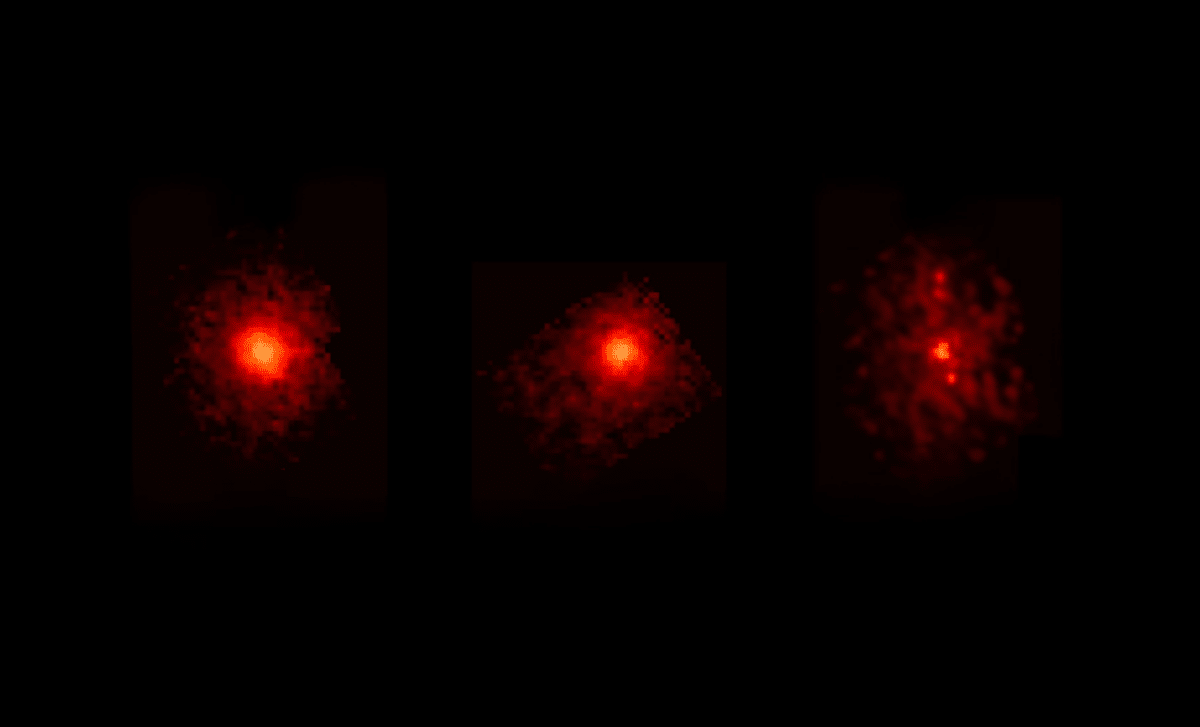
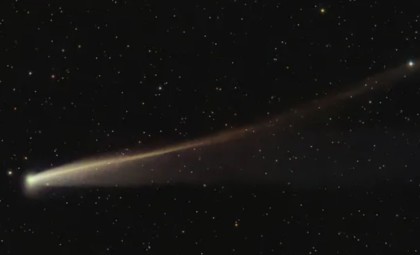
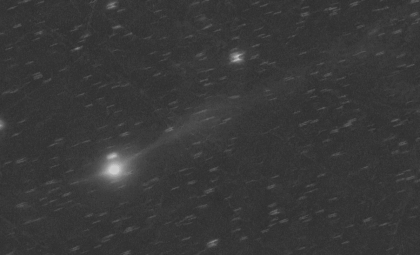
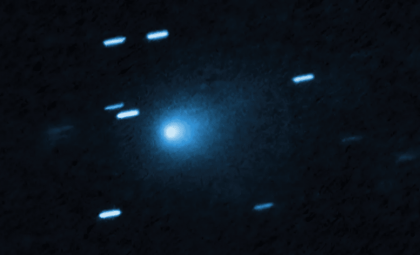
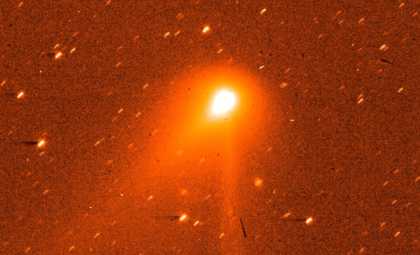
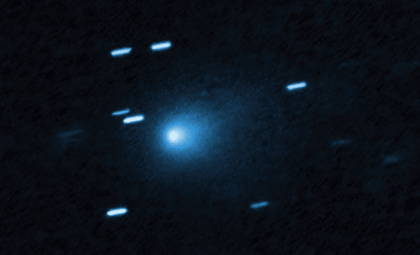
The NASA/ESA/CSA James Webb Space Telescope has identified a novel chemical signature on Comet 3I/ATLAS, marking the inaugural detection of methane on an interstellar comet. Data released by ESA suggest this comet displays a chemical profile unlike any comet observed within our Solar System, implying it originated in an environment drastically different from known cometary origins.
Webb’s In-Depth Study of a Cosmic Interloper
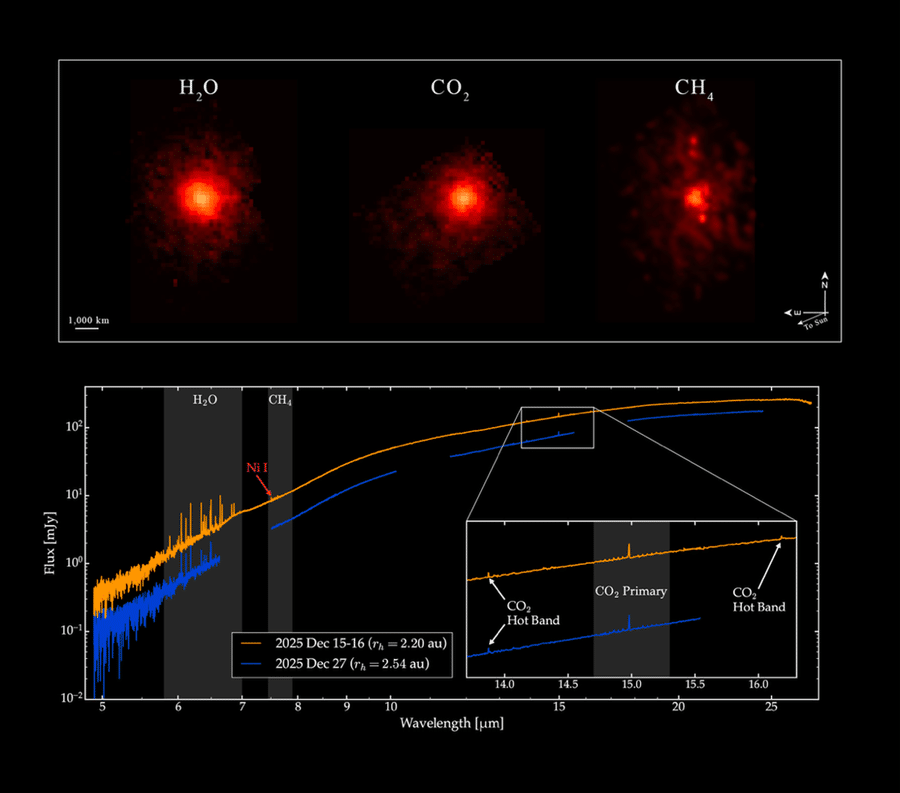
In late December, the James Webb Space Telescope utilized its Mid-Infrared Instrument (MIRI) to observe Comet 3I/ATLAS as it exited the Solar System. Webb’s specialized ability to analyze infrared radiation enabled researchers to map gases encircling the comet’s core with unprecedented precision. By splitting light into its spectral components, the telescope detected three primary gases: water vapor, carbon dioxide, and methane. Each of these chemicals exhibited a unique spatial distribution, revealing new details about the comet’s internal structure.
Water vapor was observed extending far from the nucleus, indicating that icy grains were releasing gases throughout the coma. In contrast, carbon dioxide and methane remained concentrated close to the center. This contrast demonstrated that methane was trapped beneath the comet’s exterior, only emitted when solar radiation warmed the deeper ice.

The Importance of Methane Detection
The recognition of methane on 3I/ATLAS represents a significant advancement in the exploration of interstellar objects. According to ESA, methane is scarce in solar system comets at levels comparable to water, making its abundance here remarkable. Scientists theorize that this methane was retained deep beneath the surface, protected from sublimation until the comet neared the Sun. This buried methane offers a rare glimpse into the chemical conditions where 3I/ATLAS formed, likely situated far beyond our Solar System in a colder, chemically distinct region.
This chemical profile challenges existing comet formation theories, indicating that interstellar comets might reveal characteristics of planetary systems vastly different from ours. The simultaneous presence of methane and elevated carbon dioxide emphasizes the extraordinary nature of this interstellar visitor when compared to familiar Solar System comets.
Utilizing Webb’s MIRI to Trace Gases
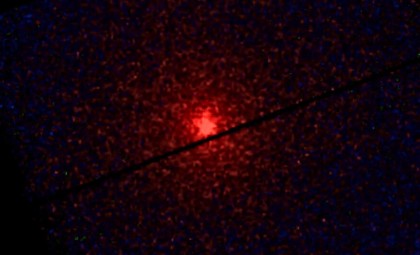
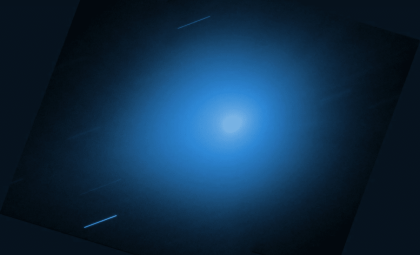
Critical to this discovery was Webb’s Medium Resolution Spectrometer, which created spectral maps at each point within a small sky region. This approach enabled scientists to quantify gas concentrations and visualize the distribution of molecules surrounding the comet. The resulting imagery revealed glowing, pixelated clouds: water vapor spreading widely, carbon dioxide densely located by the nucleus, and methane confined to a tight, intense zone.
Observations were carried out twice, on December 15–16 and December 27, when the comet was approximately 330 million km and 380 million km from the Sun. These data capture a timeline illustrating how solar heating progressively triggered the escape of volatile compounds, portraying the comet's shifting atmosphere.
Broader Implications for Interstellar Chemistry
The chemical composition of Comet 3I/ATLAS points toward formation under conditions vastly distinct from those in our Solar System. Elevated levels of carbon dioxide and methane suggest a volatile-rich environment, possibly colder and chemically unique compared to the protoplanetary disk that produced terrestrial comets.
Such findings are transforming our knowledge of planetary formation, demonstrating that icy interstellar objects can preserve primordial chemical signatures across billions of years. By studying these travelers, astronomers hope to expand our understanding of the diversity of planetary systems throughout our galaxy and improve models of organic molecule synthesis and dispersal in space.
- Categories:
- Space


0 comments
Sign in to Comment