
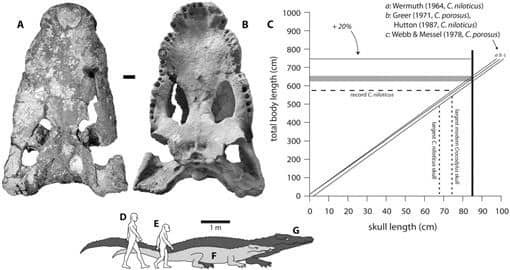
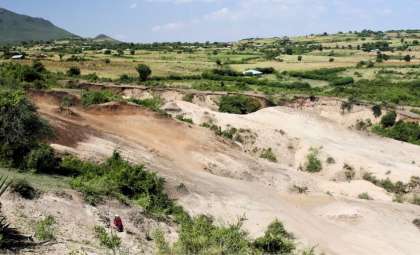
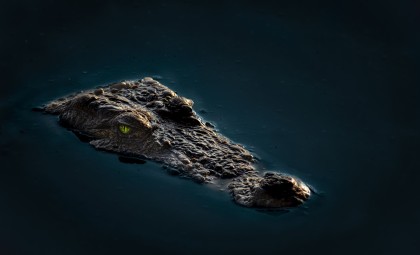
A prehistoric crocodile comparable in size to a small bus once dominated the waterways of ancient Kenya. Known as Crocodylus thorbjarnarsoni, this colossal reptile could exceed 27 feet in length and likely preyed on nearly any creature in its environment, including early human ancestors. Fossil remains found in the Turkana Basin imply that hominids such as Australopithecus might have encountered this formidable predator near aquatic habitats.
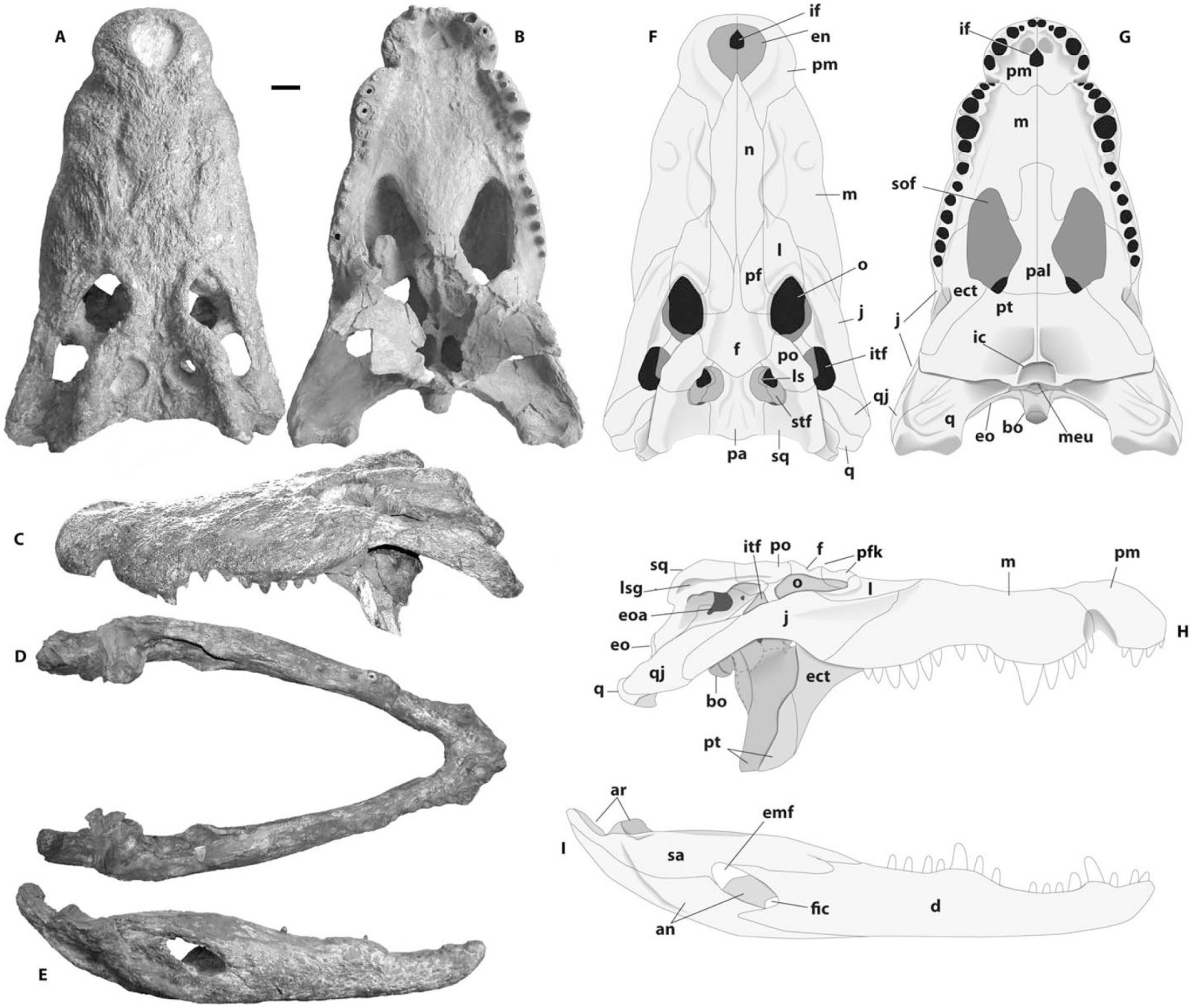
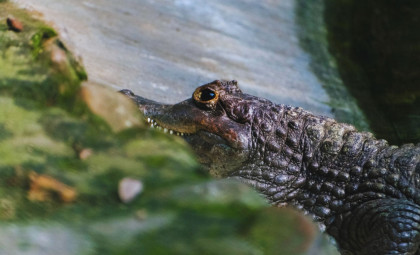
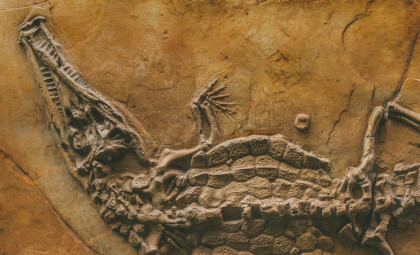
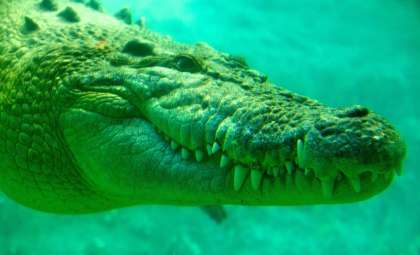
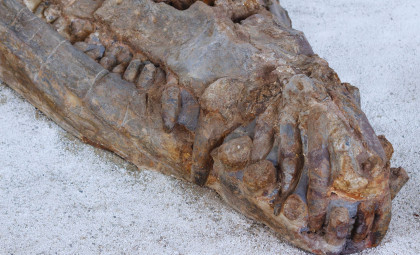
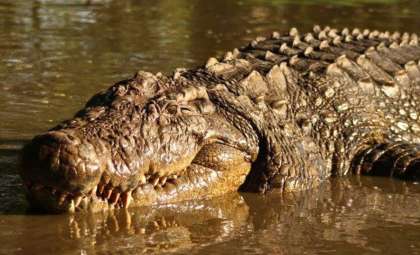
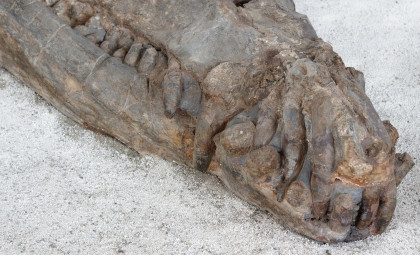
The unearthing of C. thorbjarnarsoni sheds light on a time when early humans were vulnerable prey. Preserved specimens housed at the National Museum of Kenya in Nairobi reveal a creature resembling the modern Nile crocodile, but significantly larger and marked by distinctive horn-like projections behind its eyes. Researchers emphasize that the crocodile’s massive skull alone required the effort of four men to carry, underscoring its immense strength.
Investigating this species enhances our knowledge of Africa’s crocodilian lineage. Scientists identify C. thorbjarnarsoni as a relative of Crocodylus anthropophagus, another ancient man-eating crocodile from Tanzania. This relationship indicates that early humans have navigated the dangers posed by these aquatic ambush predators for millions of years while maneuvering around rivers and lakes.

Enormous Predator Comparable to Small Vehicles
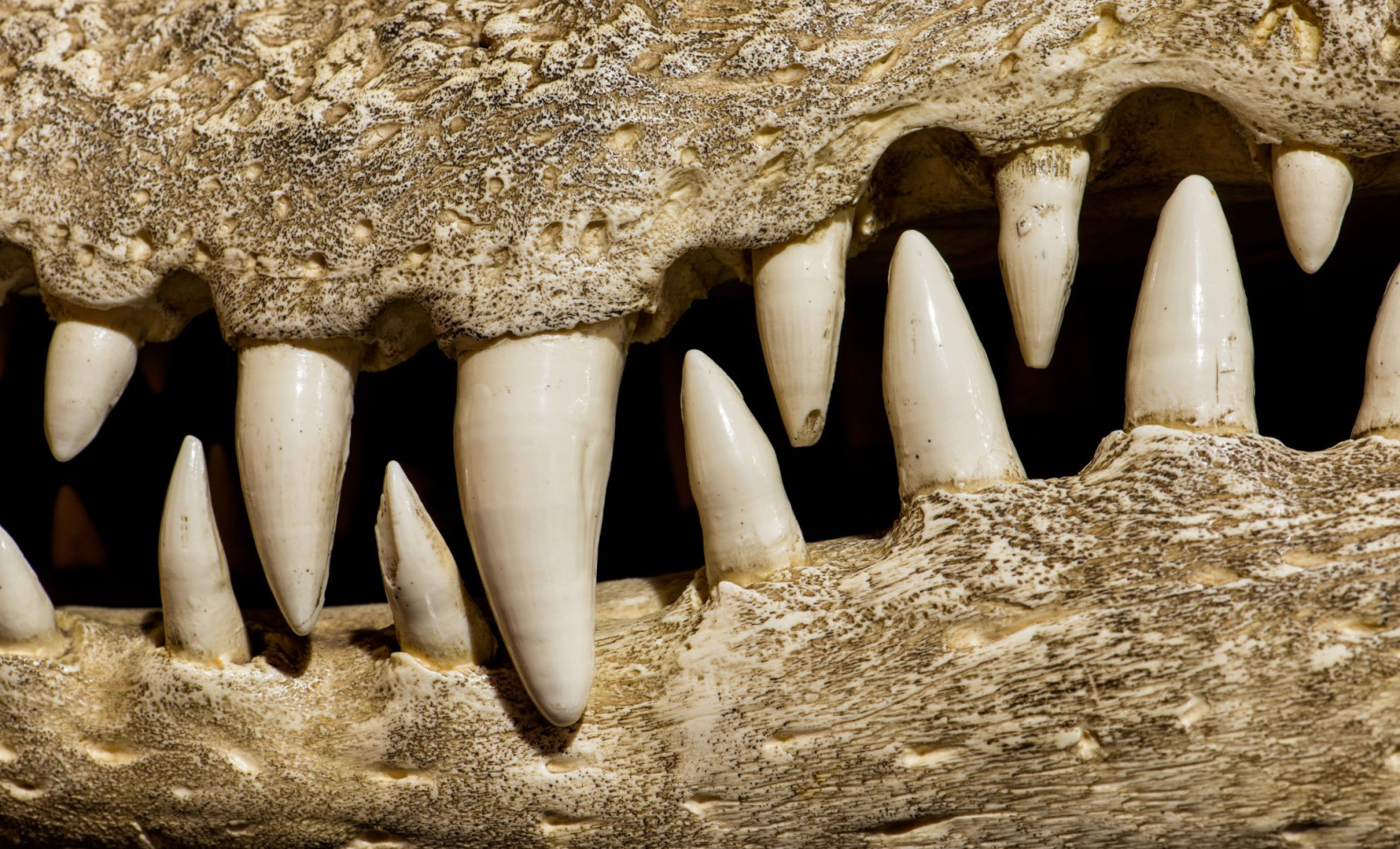
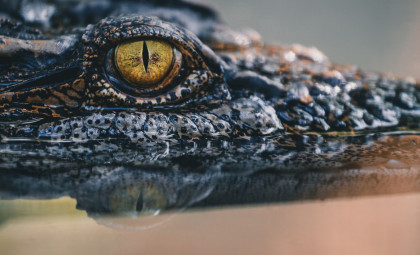
Crocodylus thorbjarnarsoni was a staggering giant, measuring over 27 feet long, far surpassing any crocodile species alive today. The fossil evidence shows that its skull's weight was so immense that four individuals were needed just to lift it, hinting at the sheer power behind its bite. Its broad snout and sturdy frame closely resembled those of current Nile crocodiles, yet the unique horn-like structures near its eyes gave it a more menacing appearance.
The study published in the Journal of Vertebrate Paleontology explains that this crocodile was an opportunistic predator, feeding on fish, mammals, and possibly other reptiles while maintaining dominance over its aquatic domain. Its reign confirms that the Crocodylus lineage had already developed colossal predators in Africa millions of years ago, shaping ecosystems ahead of the rise of widespread human populations.
Encounters With Early Human Ancestors
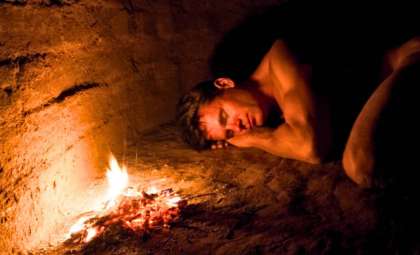
Australopithecus fossils discovered near the crocodile remains suggest that early hominids shared the same lakes and rivers. Experts highlight that hominids had to exercise caution when accessing water to drink, fish, or cross, since a single error could have led to a deadly encounter. The crocodile likely used ambush tactics similar to those of modern crocodilians, remaining hidden beneath the surface until striking.
Given its relation to Crocodylus anthropophagus, a recognized man-eating species, C. thorbjarnarsoni may also have hunted early Homo members alongside Australopithecus. Researchers suggest this connection illustrates the persistent risks faced by prehistoric humans, showing that bodies of water presented dangers comparable to predators on the savannah often depicted in educational materials.
Fossil Evidence Unlocks Ancient Secrets
The fossils, curated at the National Museum of Kenya in Nairobi, offer a valuable perspective on Africa’s deep past. The detailed analysis of the crocodile’s skull, body structure, and evolutionary links helps paleontologists reconstruct the lifestyle and ecological interactions of these ancient riverside predators.
Examining C. thorbjarnarsoni reveals the perilous conditions early humans faced. Its enormous size, formidable strength, and hunting strategies made it a dominant aquatic predator, and early hominids were at times prey rather than predators.
Millions of years later, this giant crocodile continues to fascinate, serving as a stark reminder that Africa’s waterways harbored some of the deadliest creatures, and early humans lived under the constant threat of massive aquatic hunters like Crocodylus thorbjarnarsoni.
- Categories:
- Science


0 comments
Sign in to Comment