
The Nancy Grace Roman Space Telescope, developed by NASA, is set to vastly enhance the hunt for planets beyond our solar system. Experts predict it could uncover as many as 100,000 new exoplanets yet to be discovered.
This mission represents a major leap forward in exoplanet research. While astronomers have identified nearly 6,300 exoplanets so far, these findings have mainly been limited to a modest area near our solar neighborhood. Roman intends to broaden this scope by investigating distant, densely packed sectors of the Milky Way.
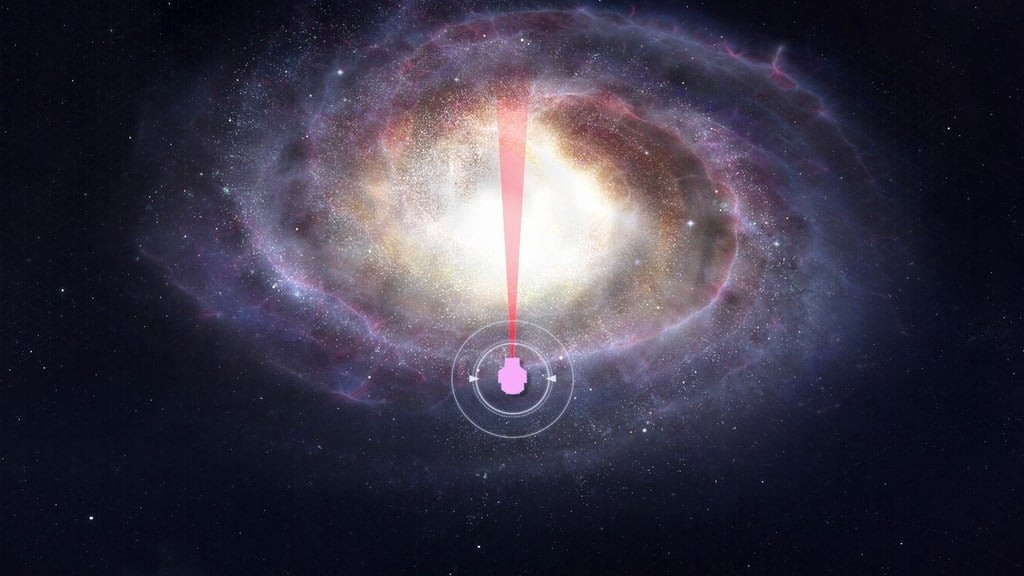
Equipped to answer crucial questions, Roman will examine stars located in the galaxy’s central bulge extending toward its far side, accessing regions seldom studied for exoplanets.

Charting the Galaxy’s Hidden Territory
Most exoplanets currently cataloged orbit stars within a few thousand light-years from Earth. Roman will push the boundaries by observing crowded stellar fields near the Milky Way’s core.
NASA states that this mission will enable scientists to study planetary systems formed in a variety of galactic environments, offering insights unavailable from previous research.
“Our galaxy is home to a variety of different environments, but when it comes to hunting for exoplanets, we’ve really only explored one: our own neighborhood,” said Elisa Quintana, an exoplanet researcher at NASA’s Goddard Space Flight Center in Maryland.
Quintana emphasized that Roman’s survey could shed light on how planet formation varies across different parts of the galaxy. This could help determine if certain types of planets are more likely to emerge under specific stellar conditions.
Innovative Techniques for Exoplanet Detection
The telescope will continuously observe millions of stars, looking for minute variations in their brightness. One key method is the transit technique, which spots planets as they cross in front of their stars, causing temporary dips in light that indicate the presence of previously unseen planets.
Scientists anticipate that the transit method alone could reveal roughly 100,000 exoplanets over the course of the mission, making Roman an unprecedented exoplanet discovery instrument.
Additionally, Roman will utilize gravitational microlensing, a technique based on the bending and amplification of light caused by a star’s gravity. When a star passes in front of a more distant star, any orbiting planets can create detectable signals in the magnified light signature.
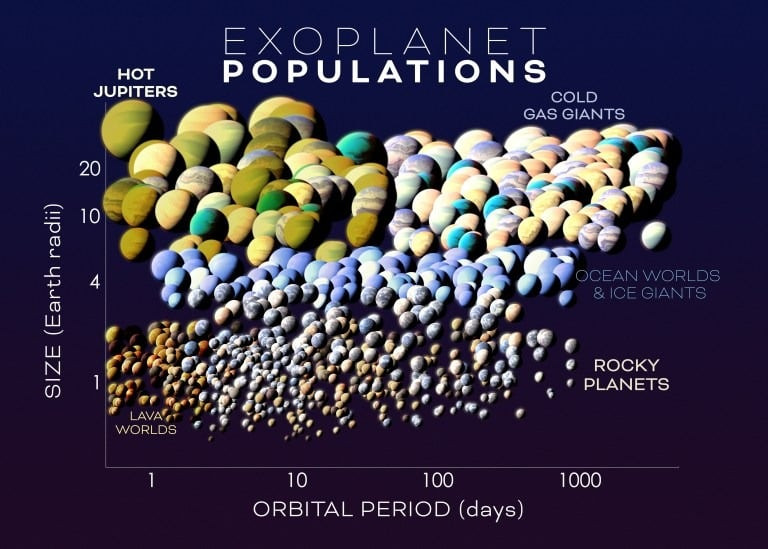
NASA data suggest microlensing could help discover over 1,000 more planets, including some of sizes comparable to Earth and Mars. This method excels at detecting planets located far from their stars, adding to knowledge of planetary systems resembling our own.
By integrating these two detection methods, Roman aims to create the most exhaustive catalog of planetary systems within the Milky Way to date.
Exploring Planetary Origins and Alien Atmospheres
In addition to finding new exoplanets, the telescope will explore how stars and their orbiting planets are related. Researchers have identified correlations between stellar chemical makeup and planet formation.
“Stars with more heavy elements tend to host more planets, especially giant ones,” said Robby Wilson, a postdoctoral fellow at NASA Goddard who led a study examining Roman’s expected exoplanet yield.
Roman will also gather data on the atmospheres of thousands of planets. While the James Webb Space Telescope focuses on detailed analyses of individual planets, Roman will collect atmospheric information from a broader sample, covering climate and thermal characteristics.
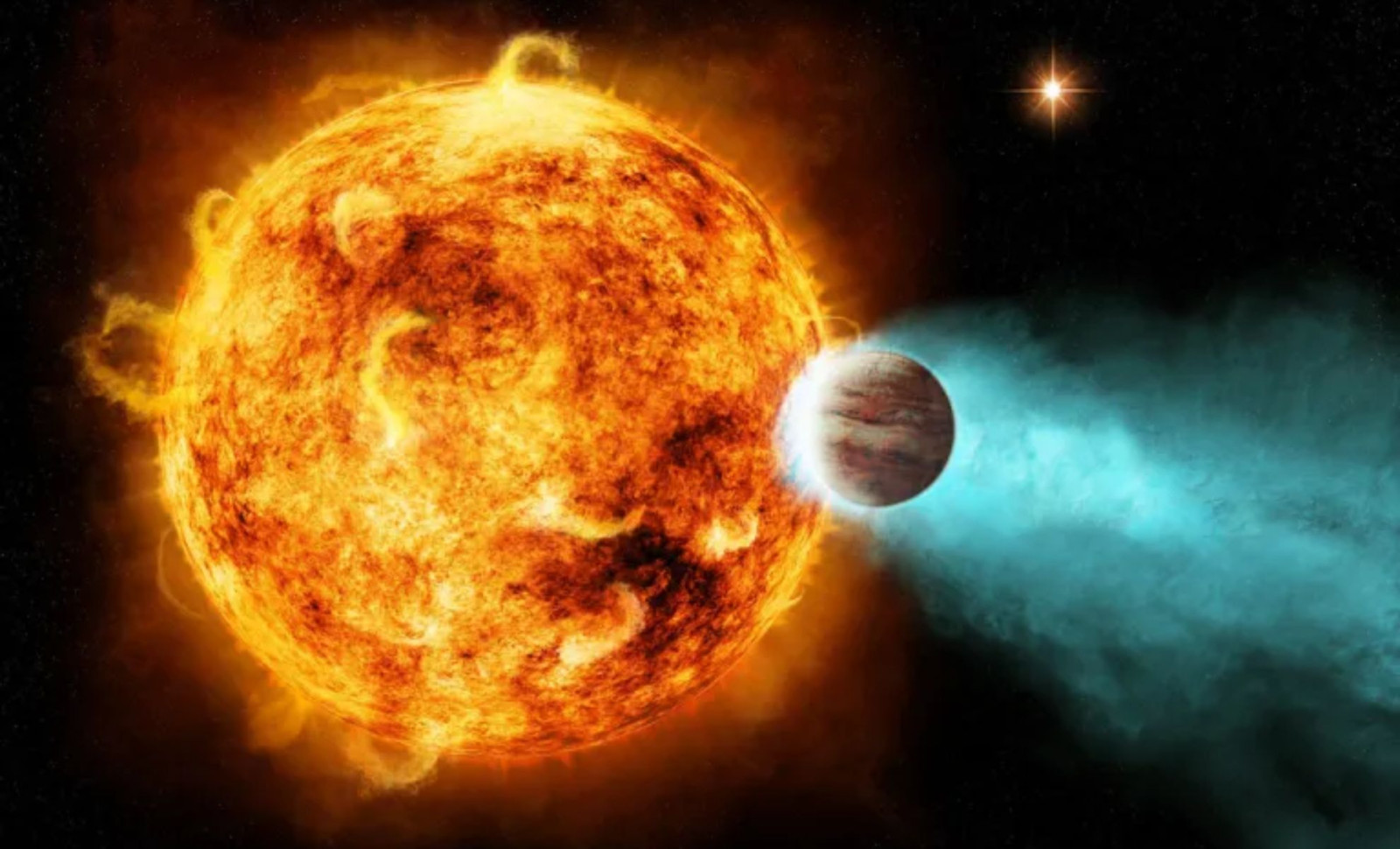
Among its focus will be hot Jupiters, massive gas giants orbiting very close to their stars. Roman’s infrared sensors will track brightness fluctuations as these planets orbit, helping scientists measure temperature contrasts between their day and night hemispheres and better understand atmospheric dynamics. The agency additionally stated:
“Roman’s galactic bulge survey will observe around 100 million stars and probe underexplored areas of our galaxy, which will provide a foundational dataset that will likewise revolutionize what we know about other worlds and our place in the universe.”
- Categories:
- Astronomy


0 comments
Sign in to Comment